Is a Car Roof Tent Worth Buying?
With the outdoor camping boom continuing to heat up, roof tents (Rooftop Tents) have become a favorite among cross-country enthusiasts and self-driving travelers. However, their price—often several thousand or even tens of thousands of dollars—raises questions: Is a car rooftop tent really worth buying? Is it suitable for everyone?
In this article, we will analyze the experience, structural safety, applicable scenarios, price investment, maintenance, and other dimensions to help you rationally assess the actual value of a roof tent.
What is a Roof Tent? What Types are There
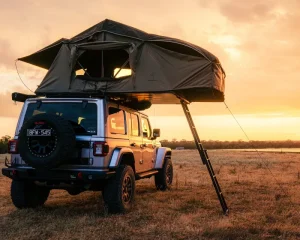
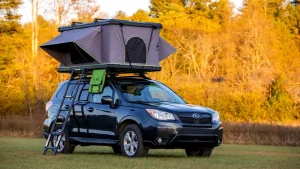
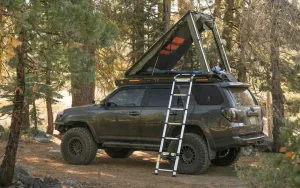
Rooftop Tent (Rooftop Tent) is a foldable tent structure installed on the roof of the car, combining the functions of “tent” and “carrier.” Users only need to park the vehicle on a smooth surface; by opening the roof tent, they can quickly set up an independent, safe sleeping space.
📌 The basic structure of the roof tent includes:
- Tent body: mostly waterproof, UV-resistant canvas or polyester material
- Support frame: aluminum alloy or steel frame structure for supporting opening and closing
- Tent base: rigid base, installed on the roof crossbar
- Climbing ladder: convenient for users to get up and down the tent
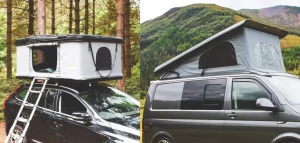
- Hard shell/soft shell cover: protects the tent from wind and rain, easy to store and transport
Car roof tents are categorized into the following main types:
Type | Description |
Mostly made of canvas, lightweight, foldable, and cost-effective. | |
Use ABS plastic or fiberglass shells, which are stronger, more airtight, and quicker to unfold. | |
Motorized Roof Tent | Features an electric lifting system for automatic unfolding and stowage, suitable for high-frequency users. |
Advantages and Disadvantages of Car Roof Tents
✅ Advantages of Car Top Tent
Greater Wilderness Versatility: You can spend the night in places without campground facilities, such as highlands, lakesides, woodlands, and even deserts, saving on accommodation costs and increasing flexibility.
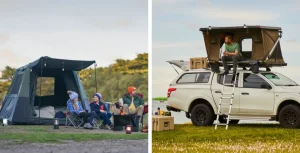
Expanded Travel Boundaries: Ordinary tents are affected by terrain, while car roof tents only require a flat parking space to set up camp—no worries about grass, stagnant water, rocks, etc.
Avoid Moisture and Animal Interference: The roof of the car is higher than the ground, effectively preventing the invasion of snakes, insects, rodents, and ants, while avoiding dampness from the ground.
Quicker Setup and Storage: Hard-shell roof tents can be unfolded in 1-2 minutes, eliminating the tedious setup process of traditional tents, especially suitable for campers who frequently change locations.
Increase Space Utilization Efficiency: The space inside the car is freed from tents, sleeping bags, and inflatable beds, allowing for better storage of supplies or a more comfortable ride.
❌ Disadvantages and Limitations of Roof Tents
Certain Requirements for Vehicles: The car needs to have a crossbar/luggage rack installed and usually requires a carrying capacity of 75kg or more; some small cars or electric models may not be suitable.
Relatively Expensive
Prices for roof tents vary widely in the international market:
- Soft shell roof tent: $800 – $1,500
- Hard shell roof tent: $1,800 – $4,500
- Electric lift models: $3,000 – $6,000
Additional costs for roof bars ($100 – $400) and installation services ($100 – $300) are also required.
Fuel and Driving Impact: The roof increases wind resistance and weight, which can lead to a 5-15% increase in fuel consumption at high speeds; driving stability should be monitored in windy areas.
Climbing Required for Access: Users need to climb a ladder to access the tent, which may not be suitable for the elderly, children, or individuals with knee problems. Climbing down for nighttime trips to the toilet can be inconvenient.
Who is a Car Roof Tent For?
Type of User | Recommended | Reason |
Love to drive in the wilderness | ✅ Highly recommended | More freedom, no dependence on campgrounds. |
Occasional weekend trips | ❌ Not very cost-effective | A regular tent or bed in an SUV is more economical. |
Family campers | ✅ Recommended | Can let kids or couples sleep in separate layers for more privacy. |
Single outdoor enthusiasts | ✅ Highly flexible | Small and easy to set up, can be used with pickup trucks or SUVs. |
Budget-conscious users | ✅ Consider alternatives | Higher prices; consider a car mattress or inflatable tent as alternatives. |
Suggestions When Choosing a Car Roof Tent
Choose a well-known brand or experienced manufacturer
Brands like iKamper, Thule, Roofnest, and 171Outdoor(customized models) provide better waterproofing, wind resistance, and longevity.
Focus on expansion and ventilation design
Prioritize models with windows on both sides and a sunroof on top for good ventilation and visibility.
Check the weight and legality of the vehicle
Confirm the load capacity of the crossbar and the total weight of the vehicle to avoid overloading. Some regions have height restrictions on roof equipment, so check local regulations before installation.
Consider whether to use awnings or changing rooms
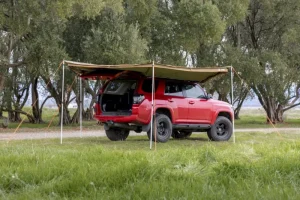
Roof top tents are usually paired with a car side awning or changing tent to enhance camping functionality.
Summary
If you’re an avid traveler, a frequent wilderness camper, and want to break free from the limitations of traditional campsites while investing in a more convenient and comfortable experience, a roof top tent is definitely worth considering.
However, if you use it only occasionally or have a limited budget, a regular tent or bed-in-car system may be more cost-effective.
✅ Suggestion:
Consider renting a car roof tent to try it out 1-2 times before deciding whether to buy one, allowing you to gauge its suitability through real experience.
FAQs about Car Roof Tent
Can my car support a rooftop tent?
Yes, most vehicles with a roof rack rated for dynamic loads of 150 lbs (68 kg) or more can support a rooftop tent. Always check your car’s roof load capacity in the owner’s manual and ensure your roof rack system is properly installed.
Can I put a rooftop tent on my car?
You can install a rooftop tent if your car has crossbars or a compatible roof rack. SUVs, trucks, and even some sedans or hatchbacks can handle rooftop tents with the right setup.
Can rooftop tents withstand wind?
Yes, quality rooftop tents are designed to handle strong winds—typically up to 40–50 mph (65–80 km/h). Proper installation, using guy lines and parking with wind direction in mind, will improve wind resistance.