Camping is an excellent way to experience nature, unwind, and reconnect with the world around you. However, as outdoor enthusiasts, it’s important to remember that our love for the outdoors should also extend to protecting it. When you’re setting up your 270 awning tent, there’s a tremendous opportunity to minimize your impact on the environment and practice sustainable living.
This blog explores a variety of eco-friendly practices that can enhance your tent setup, making it both enjoyable and environmentally responsible. Whether you’re an experienced camper or just beginning your van life adventure, eco-conscious choices will make a world of difference in reducing your carbon footprint and leaving a positive legacy for future generations of campers.
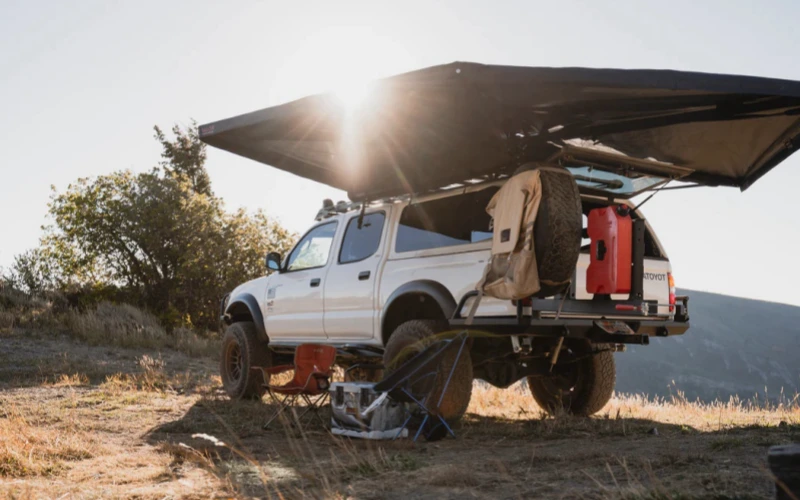
Before diving into eco-friendly practices, let’s first talk about why the 270 awning tent is an ideal choice for sustainable camping. This type of tent attaches seamlessly to your vehicle, extending your living space without requiring large, resource-intensive structures. The tent’s design also helps reduce the need for additional cooling systems, as it offers ample shade during hot days, reducing your dependency on electricity or gas.
The 270 awning tent is lightweight, space-efficient, and portable. It allows you to enjoy the great outdoors while limiting your environmental impact. Now, let’s explore ways to enhance your eco-conscious camping experience with sustainable habits.
1. Use Solar Power to Replace Traditional Energy Sources
One of the simplest and most effective eco-friendly practices is the use of solar power. Solar energy is renewable, reliable, and reduces your dependency on fossil fuels. As you set up your 270 awning tent, incorporating solar power into your setup can make a significant difference.
Solar Lights for Your Tent
When you’re camping in the great outdoors, lighting is a must. Traditional lights rely on batteries or electricity, which contribute to pollution. Instead, opt for solar-powered lights that charge during the day and illuminate your tent at night. Solar lights are energy-efficient and do not require disposable batteries, reducing waste in landfills.
These lights are perfect for your 270 awning tent. They are easy to set up and don’t take up valuable space. Plus, solar lights come in various styles, including string lights, lanterns, or even motion-sensor lights, giving you flexibility in how you want to illuminate your campsite.
Solar Chargers for Your Devices
If you need to charge electronics like phones, tablets, or cameras, solar chargers are a fantastic solution. By setting up a portable solar panel near your tent, you can charge devices without relying on non-renewable energy sources. With solar chargers, you harness the power of the sun to keep your devices running throughout your camping trip.
Some advanced solar kits can even power small appliances or a portable battery pack, making them ideal for longer trips where electricity access is limited. Investing in solar power for your 270 awning tent setup helps you maintain convenience without harming the environment.
2. Conserve Water During Your Camping Trip
Water conservation is critical, especially when camping off-grid. Limited access to water sources makes it essential to minimize usage, reduce waste, and find alternative ways to manage your water consumption.
Use Reusable Water Containers
Instead of purchasing bottled water for your trip, bring reusable water containers. These are perfect for storing drinking water, cooking, and cleaning. You can easily refill them from a nearby water source, or fill them up before your trip. Investing in high-quality reusable water bottles or large containers for your tent setup reduces your reliance on single-use plastic, which is harmful to the environment.
By using these containers, you’re helping reduce the plastic waste that accumulates from traditional bottled water. This eco-friendly practice will ensure that your 270 awning tent setup is sustainable.
Practice Water Conservation
When camping in remote areas with limited water, it’s crucial to make every drop count. Consider the following ways to conserve water:
- Use a small bucket for washing: Fill a small bucket with water for cleaning dishes or washing your hands instead of letting water run.
- Shower smartly: If you bring a portable shower, use it sparingly. Rinse quickly and turn off the water while lathering.
- Efficient dishwashing: Use a bowl or basin to wash dishes instead of letting water flow endlessly from a tap.
By incorporating water-saving habits, you’ll reduce your environmental impact while enjoying your tent setup in the wilderness.
Collect Rainwater for Reuse
If you’re camping in an area with frequent rainfall, consider setting up a rainwater collection system. A simple tarp or rainwater collection kit can be used under your 270 awning tent to collect rainwater. This water can be used for cleaning or other non-potable purposes.
While this may not be an ideal solution for drinking water, rainwater collection helps reduce your overall water consumption. Make sure to use non-toxic, eco-friendly cleaning products so that rainwater used for cleaning won’t harm the environment.
3. Opt for Eco-Friendly Camping Gear
Choosing sustainable camping gear is another great way to align your tent setup with eco-friendly values. The products you use for cooking, sleeping, and cleaning all contribute to your environmental footprint.
Choose Biodegradable Products
Conventional soaps, shampoos, and detergents often contain harmful chemicals that can pollute water sources. Switch to biodegradable products for all your cleaning needs. Biodegradable soap and shampoo are gentle on the environment and safe for use in natural water sources.
When washing dishes or cleaning your hands, opt for biodegradable soap that is free from harmful chemicals. Not only will this protect the environment, but it will also ensure that you are following eco-conscious guidelines while camping with your 270 awning tent.
Use Sustainable Cooking Gear
Traditional camping cookware can be made from non-recyclable materials, but there are plenty of eco-friendly alternatives. Choose pots, pans, and utensils made from sustainable materials like stainless steel, cast iron, or bamboo. These materials are durable, long-lasting, and can be reused for years.
Avoid using disposable items like plastic cutlery, plates, and cups. Instead, bring reusable, durable options that can be easily cleaned and reused throughout your trip. Many eco-friendly alternatives are now available in lightweight, space-efficient designs that are perfect for your 270 awning tent setup.
Invest in Multi-Use Gear
Multi-use gear is an excellent way to reduce the amount of camping equipment you need to bring. For instance, a single jacket that doubles as a pillow or a sleeping bag that can also be used as a blanket helps minimize the amount of gear you pack. The fewer items you bring, the less waste you produce.
4. Responsible Waste Disposal
When you’re out in nature, disposing of waste responsibly is crucial. One of the core principles of camping is to leave no trace, meaning you should leave the campsite in the same condition (or better) than you found it.
Bring Reusable Trash Bags
When camping in remote areas, bringing reusable trash bags is essential. Instead of relying on single-use plastic bags, invest in durable, reusable options that you can easily clean and use again. Make sure to pack out all your trash, even food scraps, and other items that might not decompose properly in nature.
You can also consider a composting setup for organic waste, which can be used for composting food scraps like fruit peels or coffee grounds. However, make sure you only compost in areas that allow it, as some campsites may have strict regulations.
Follow Leave No Trace Principles
The Leave No Trace (LNT) principles are a set of guidelines designed to minimize human impact on nature. These principles are critical for preserving the environment during your 270 awning tent camping trip. They include:
- Plan ahead and prepare: Ensure you know the regulations of your campsite and plan your trip accordingly.
- Travel on durable surfaces: Avoid creating new paths and stick to established trails.
- Dispose of waste properly: Pack out all trash, and dispose of waste responsibly.
- Leave what you find: Don’t disturb natural elements such as rocks, plants, or wildlife.
- Minimize campfire impact: Only build fires in designated areas, or consider using a portable stove.
- Respect wildlife: Keep a safe distance from animals, and never feed them.
- Be considerate of others: Respect fellow campers and ensure everyone has a positive experience.
Adhering to these principles ensures that your 270 awning tent setup has a minimal impact on the environment.
5. Sustainable Transportation to Your Campsite
Getting to your campsite is another area where eco-friendly choices can make a difference. The mode of transportation you choose to travel to your campsite can contribute significantly to your overall carbon footprint.
Choose Eco-Friendly Vehicles
Instead of driving a large vehicle that consumes more fuel, consider using an eco-friendly mode of transportation, such as a hybrid or electric vehicle. These options reduce emissions and help mitigate climate change. If possible, consider carpooling with friends or fellow campers to minimize the number of vehicles on the road.
Offset Carbon Emissions
If you’re unable to reduce your carbon emissions through transportation alone, consider carbon offset programs. Many organizations allow you to offset your emissions by investing in sustainable projects like tree planting or renewable energy.
Conclusion
Incorporating eco-friendly practices with your 270 awning tent setup is a fantastic way to enjoy nature responsibly. From using solar power and conserving water to choosing sustainable camping gear and following Leave No Trace principles, there are many small steps you can take to reduce your environmental footprint. By following these practices, you’ll not only enhance your outdoor experience but also contribute to the preservation of the environment for future generations of campers.