Introduction
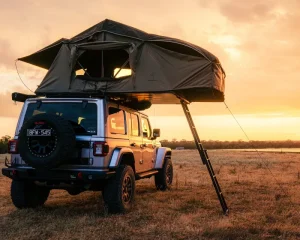
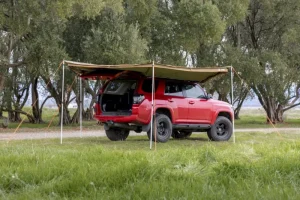
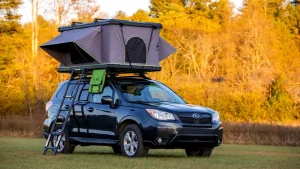
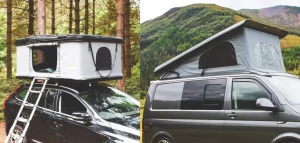
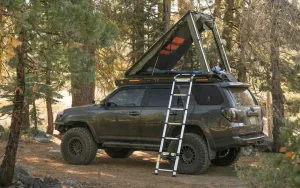
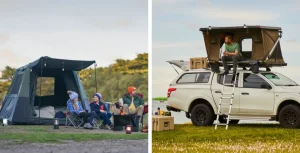
With the increasing popularity of outdoor travel and camping, rooftop tents have become the preferred choice for many travel enthusiasts due to their convenience and practicality. This article will explore various aspects of selecting a suitable rooftop tent, including vehicle compatibility, weight capacity, tent types, dimensions and capacity, materials and durability, and price ranges.
Vehicle Type and Compatibility
When choosing a rooftop tent, the first consideration is whether your vehicle is suitable for installation. Different types of vehicles have varying compatibility with rooftop tents:
SUVs/Off-Road Vehicles:
- These vehicles typically have a higher body and stronger load capacity, making them ideal for rooftop tents.
- High ground clearance and sturdy roof racks can easily support the tent’s weight while providing ample interior space.
Sedans:
- Due to their lower height and limited load capacity, sedans are generally not recommended for rooftop tents.
- If you insist on using a sedan, ensure you choose a lightweight tent and reinforce the roof to prevent damage.
Pickup Trucks:
- Pickup trucks are an ideal choice for rooftop tents, with spacious beds and strong load capacity to easily accommodate larger tents.
- For long-distance travelers, the combination of a pickup truck and a rooftop tent is perfect.
Vehicle Weight Capacity
Before selecting a rooftop tent, it is crucial to understand your vehicle’s maximum load capacity. Here are some key steps:
- Check the Vehicle Manual:Most vehicle manuals specify the maximum load capacity for the roof. Ensure the chosen tent’s weight (including additional items) does not exceed this value.
- Calculate Actual Load:The total weight of the rooftop tent includes not only the tent itself but also sleeping bags, mattresses, lights, and other added items. Make sure to calculate this in advance.
- Safety Margin:To ensure safety, it is recommended that the total weight of the tent and additional items does not exceed 80% of the vehicle’s maximum load capacity. This helps avoid safety hazards from overloading.
Types of Rooftop Tents
There are various types of rooftop tents on the market, each with its unique advantages and disadvantages. Here are some common types:
Advantages:
- Sturdy and durable, with good waterproof and anti-theft features.
- Quick to set up and take down, suitable for frequent users.
Disadvantages: Higher price and heavier weight, which may not be suitable for smaller vehicles.
Advantages: Relatively lower price, lightweight, easy to carry and store.
Disadvantages:
- Weaker protective features and more susceptible to weather and environmental impacts.
- Longer setup time, suitable for occasional users.
Automatic Rooftop Tents:
Advantages: Automated operation, allowing setup or teardown at the push of a button, extremely convenient.
Disadvantages: Higher cost and complex maintenance, may require regular servicing.
Rooftop Tent Dimensions and Capacity
Choosing the right tent size is crucial based on your travel needs and the number of occupants:
Single Tents:
- Suitable for solo travelers, lightweight and compact, easy to carry.
- Typically weigh between 30-50 kg, occupying minimal roof space.
Double Tents:
- Suitable for couples or small families, providing a degree of comfort.
- Dimensions are usually around 200 x 150 cm, weighing between 50-70 kg.
Multi-Person Tents:
- Ideal for larger families or group outings, offering more internal space.
- Larger dimensions and heavier weight may require a more substantial roof rack.
Materials and Durability
The materials used in rooftop tents directly affect their lifespan and user experience:
Outer Material:
- Waterproof Performance:High-quality outer materials should provide good waterproof capabilities to ensure usability in rain.
- UV Resistance:Prolonged exposure to sunlight can lead to material aging; opting for tents with UV-resistant coatings is essential.
- Abrasion Resistance:Frequent handling and use can cause wear; selecting abrasion-resistant materials can extend the tent’s lifespan.
Inner Lining Material:
- Breathability:Good breathability keeps the air circulating inside the tent, preventing dampness and stuffiness.
- Comfort:Soft and comfortable inner lining materials enhance sleep quality.
Frame Material:
- Aluminum:Lightweight and high-strength, suitable for users prioritizing portability.
- Steel:Strong and durable but heavier, suitable for fixed installations.
Price Range and Budget
The price of rooftop tents varies widely, depending on brand, materials, and features:
Economy Models ($100 – $300):
- Simple functionality, suitable for budget-conscious users.
- Materials and durability may be lower, but generally meet short-term needs.
Mid-Range Models ($300 – $600):
- Good price-to-performance ratio, offering decent comfort and features.
- Suitable for most travel enthusiasts.
High-End Models ($600 and above):
- Fully equipped with high-quality materials, suitable for users with high standards.
- May include automation systems, solar charging panels, etc.
Installation and Ease of Use
Installation Tools and Steps:
- Different brands may have slightly different installation methods, but typically require tools such as wrenches and screwdrivers.
- Installation steps include securing brackets, connecting the tent base, and installing the main tent body.
Daily Use Experience:
- Hard shell tents can usually be set up in a few minutes, while soft shell tents may take longer.
- Automatic tents require no manual operation—just press a button to complete the setup.
Summary and Recommendations
Selecting a suitable rooftop tent requires considering multiple factors, including vehicle compatibility, weight capacity, tent type, dimensions and capacity, materials and durability, and price range. Here are some recommendations:
- Prioritize Personal Needs:Choose the tent type that best fits your travel habits and budget.
- Focus on Safety:Ensure the tent’s weight and dimensions comply with your vehicle’s load capacity to avoid safety risks.
- Consider Brand and After-Sales Service:Opt for reputable brands and understand their after-sales policies for timely support if issues arise.
Through this comprehensive analysis, we hope to assist you in selecting the right rooftop tent, making each trip more comfortable and enjoyable!
If you have any questions or need personalized recommendations, don’t hesitate to reach out to us! Our team of experts is ready to assist you in finding the ideal solution for your camping needs.
Contact 171Outdoor today for a consultation and let us help you embark on your next adventure with confidence!