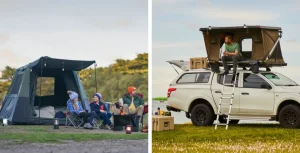
Camping provides a wonderful opportunity to connect with nature. However, it’s vital to practice eco-friendly camping to ensure we preserve the environment. One of the best ways to enjoy the outdoors sustainably is by using a rooftop tent. This guide will explore sustainable practices for camping with a rooftop tent. By following these tips, you can enjoy your adventures while protecting the planet.
Understanding the Rooftop Tent
A rooftop tent offers numerous advantages for campers. This type of tent mounts securely on the roof of your vehicle. It provides an elevated sleeping area, keeping you off the ground. This setup offers better views and protection from wildlife.
With a rooftop tent, you can quickly set up camp. Many rooftop tents open and close in minutes. This efficiency allows you to spend more time enjoying the outdoors.
Benefits of Using a Rooftop Tent
Minimal Ground Impact: Rooftop tents leave the ground undisturbed. This practice protects delicate ecosystems. It also prevents soil erosion, which is crucial for maintaining healthy habitats.
Easy Setup: Most rooftop tents feature user-friendly designs. You can set them up quickly, which minimizes your time in sensitive natural areas.
Versatility: Rooftop tents adapt well to different environments. Whether you camp in forests, mountains, or deserts, they provide reliable shelter.
Comfort: The elevated position keeps you away from insects and damp ground. This comfort enhances your camping experience, allowing you to rest peacefully.
Eco-Friendly Camping Practices
Adopting sustainable practices while using a rooftop tent ensures you enjoy nature without harming it. Here are essential eco-friendly camping practices to consider.
1. Choose Eco-Friendly Campsites
Selecting campsites that prioritize sustainability is vital. Research locations that promote eco-friendly practices. Look for campgrounds that use renewable energy sources or have recycling programs. Staying at these sites supports their efforts and helps protect natural spaces.
2. Leave No Trace
The Leave No Trace philosophy is crucial for eco-friendly camping. This practice emphasizes leaving your campsite as you found it. Here’s how to implement it effectively:
Pack Out What You Pack In: Bring trash bags to collect all waste, including food scraps. Do not leave any litter behind.
Stay on Trails: Stick to established paths to minimize your impact on vegetation and wildlife. Avoid creating new trails that can disrupt ecosystems.
Respect Wildlife: Observe animals from a distance. Do not feed them, as this can disrupt their natural behavior and lead to dependency on human food.
3. Use Sustainable Gear
Opt for eco-friendly camping gear whenever possible. With a rooftop tent, consider the following:
Materials: Choose tents made from recycled or sustainable materials. Research brands committed to eco-friendly manufacturing practices.
Solar-Powered Accessories: Use solar-powered lights and chargers. This approach reduces your reliance on batteries and fossil fuels, making it more sustainable.
Biodegradable Products: Bring biodegradable soaps and toiletries. These products minimize pollution in natural water sources, protecting local wildlife.
4. Conserve Water
Water conservation is vital while camping. When using a rooftop tent, follow these water-saving tips:
Limit Showers: If you have access to water, take quick showers. Use a sponge bath instead of a full shower when possible to save water.
Use Eco-Friendly Products: Choose biodegradable soaps and shampoos to prevent harming local ecosystems.
Collect Rainwater: If allowed, set up a rainwater collection system. Use this water for washing dishes or personal hygiene to reduce your overall water usage.
5. Practice Efficient Cooking
Cooking can have a significant environmental impact. Adopt sustainable cooking practices while using your rooftop tent:
Use a Portable Stove: Instead of building a fire, use a portable camping stove. This method reduces the risk of wildfires and minimizes your impact on the environment.
Plan Meals: Prepare meals in advance to reduce food waste. Bring only what you need, and use leftovers creatively.
Choose Local Ingredients: If possible, buy local produce for your meals. Supporting local farmers reduces transportation emissions and promotes sustainable agriculture.
6. Be Mindful of Energy Use
When camping with a rooftop tent, it’s essential to be mindful of energy consumption. Here are some tips:
Use LED Lights: Switch to energy-efficient LED lights for your campsite. They consume less power and last longer than traditional bulbs.
Limit Electronic Devices: Disconnect from technology while camping. This practice enhances your experience in nature and reduces energy use.
Charge Devices Wisely: If you need to charge devices, use solar chargers. This method harnesses renewable energy and reduces reliance on grid power.
Engaging with Nature
Camping is all about connecting with nature. Use your time outdoors to appreciate and learn about your environment. Here’s how:
1. Explore Nature Trails
Take advantage of nearby hiking trails. Exploring nature on foot allows you to appreciate the beauty around you. It also helps you connect with the local ecosystem. Always stay on designated paths to minimize your impact.
2. Participate in Local Conservation Efforts
Many natural areas have volunteer programs focused on conservation. Participate in local clean-up efforts or tree-planting initiatives. Engaging with these programs helps protect the environment and fosters a sense of community.
3. Educate Yourself and Others
Take the time to learn about the local flora and fauna. Understanding the ecosystem enhances your appreciation of nature. Share this knowledge with fellow campers to promote awareness and encourage sustainable practices.
Packing Essentials for Eco-Friendly Camping
When preparing for your camping trip with a rooftop tent, pack eco-friendly essentials. Here’s a checklist to help you get started:
1. Rooftop Tent Gear
Rooftop Tent: Ensure your tent is in good condition and made from sustainable materials. Check for any wear and tear before your trip.
Sleeping Bags: Choose sleeping bags made from recycled materials. This choice supports sustainability while keeping you warm.
Sleeping Pads: Opt for eco-friendly sleeping pads that provide comfort without harming the environment.
2. Cooking Supplies
Portable Stove: Bring a compact and efficient camping stove. This tool is crucial for cooking while minimizing your impact.
Biodegradable Utensils: Use compostable plates, cups, and utensils to minimize waste. This practice ensures you leave no trace behind.
Reusable Containers: Pack food in reusable containers to reduce packaging waste. These containers can help keep your food fresh.
3. Hygiene Products
Biodegradable Soap: Bring a soap that won’t harm local water sources. This product is essential for washing dishes and personal hygiene.
Reusable Cloths: Use cloth towels instead of paper towels for cleaning. This practice reduces waste and is more sustainable.
Natural Insect Repellent: Choose eco-friendly insect repellents that don’t harm wildlife. This choice protects the local ecosystem while keeping you comfortable.
4. Lighting and Power
Solar Lanterns: Use solar-powered lanterns for lighting at night. These lanterns are energy-efficient and easy to use.
Rechargeable Batteries: Bring rechargeable batteries for your devices. This approach reduces waste and is more sustainable in the long run.
5. Waste Management
Trash Bags: Pack enough trash bags to collect all waste. Ensure you have separate bags for recyclables and compostables.
Compost Bag: Use a separate bag for compostable items. This practice helps you manage waste effectively while camping.
Safety Considerations for Eco-Friendly Camping
While enjoying your rooftop tent and practicing sustainability, prioritize safety. Here are some essential safety tips:
1. Secure Your Rooftop Tent
Always secure your rooftop tent properly. Use all provided straps and buckles to ensure it stays in place. Regularly check the stability throughout your trip. This practice prevents accidents and ensures your safety.
2. Be Aware of Your Surroundings
Stay alert to your surroundings. Avoid setting up your rooftop tent under dead branches or unstable trees. This practice reduces the risk of falling debris.
3. Fire Safety Measures
If you plan to cook under your rooftop tent, prioritize fire safety. Keep flammable materials away from heat sources. Always have a fire extinguisher or water nearby in case of an emergency.
4. Emergency Preparedness
Prepare for emergencies by having a plan in place. Know the location of the nearest help or emergency services. Keep a first aid kit and know how to use it. Familiarize yourself with the area before camping.
Engaging with Local Communities
Support local communities while enjoying your eco-friendly camping experience. Here’s how to make a positive impact:
1. Shop Local
Buy supplies, food, and gear from local businesses. This practice supports the local economy and reduces transportation emissions. Local shops often carry unique items that enhance your camping experience.
2. Participate in Community Events
Many camping areas host community events focused on conservation or outdoor activities. Participate in these events to meet locals and learn about the area. Engaging with the community fosters connections and promotes sustainable practices.
3. Share Your Experiences
Share your eco-friendly camping experiences on social media or blogs. By promoting sustainable practices, you inspire others to adopt similar habits. Use your platform to raise awareness about the importance of protecting nature.
Conclusion
Camping with a rooftop tent offers a unique way to enjoy the great outdoors. By adopting eco-friendly practices, you can minimize your impact on the environment. Sustainable camping enhances your experience while protecting nature for future generations.
Embrace the adventure of camping while being a responsible steward of the environment. Choose eco-friendly gear, respect nature, and leave no trace. With these practices, you can enjoy your rooftop tent and the beauty of the outdoors sustainably.
Final Thoughts
Remember, the right setup can elevate your camping experience. Take your time to explore your options and evaluate your needs. With careful consideration, you will find the perfect way to utilize your rooftop tent. Enjoy every moment in nature, and happy camping!
By following these sustainable practices, you contribute to the preservation of our planet. Let your adventures inspire others to camp responsibly. Together, we can ensure that the beauty of the outdoors remains for generations to come.